Mold
What should you do if you find mold in your air ducts?
The EPA says not to run your heating and cooling system if you know or suspect it is contaminated with mold, because that could spread mold through the building. It also says wet or mold-contaminated duct insulation should be removed and replaced, and that the moisture problem has to be fixed or mold will recur.
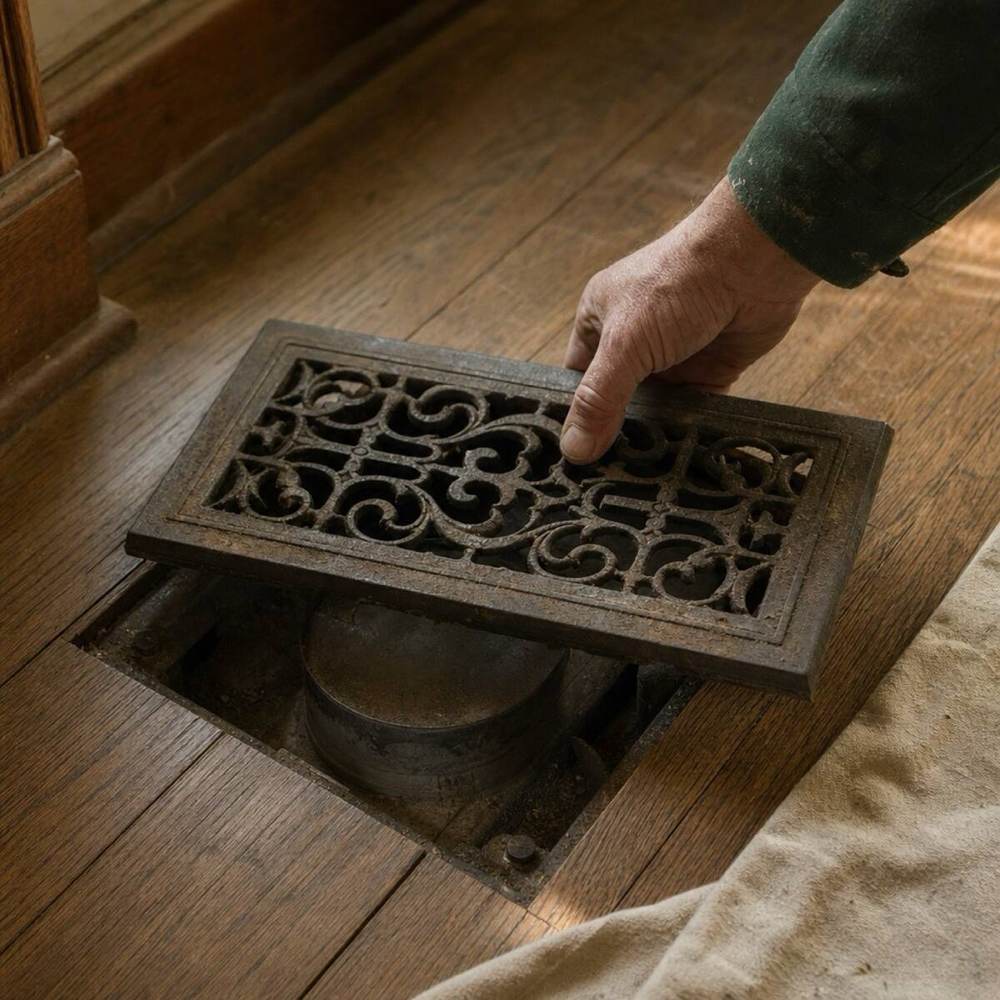
Is it really mold?
The EPA says that identifying mold takes expertise and may require laboratory analysis for final confirmation, and that something that looks like mold may be a different substance. Its guidance on duct cleaning lists substantial visible mold growth inside hard surface ducts, such as sheet metal, as one reason to consider cleaning. For other signs to look for, see How can you tell if your air ducts need cleaning?
Can ducts with mold be cleaned?
The EPA says hard surface ducts with substantial visible mold growth are one reason to consider cleaning. It says duct insulation that gets wet or mold-contaminated cannot be effectively cleaned and should be removed and replaced, and that once fiberglass duct liner is contaminated with mold, cleaning is not sufficient to prevent re-growth. The EPA also says steam cleaning and other methods involving moisture should not be used on any kind of ductwork.
What makes mold come back?
The EPA says that if the conditions causing the mold growth in the first place are not corrected, mold growth will recur. In its mold guide, it says the key to mold control is moisture control, and that if you clean up mold but do not fix the water problem, the mold problem will most likely come back. The EPA says moisture should not be present in ducts, and that condensation or high relative humidity is an important indicator.
Should you keep running the furnace?
The EPA says not to run the HVAC system if you know or suspect that it is contaminated with mold, because doing so could spread mold throughout the building. It points readers to its air duct guide before taking further action.
Related questions
Can I tell if it is mold just by looking?
The EPA says that identifying mold requires expertise and may require laboratory analysis for final confirmation, and that something that looks like mold may be another substance.
Should I run my furnace if I suspect mold in the ducts?
The EPA says not to run the HVAC system if you know or suspect that it is contaminated with mold, because doing so could spread mold throughout the building.
Can duct insulation with mold be cleaned?
The EPA says that when duct insulation gets wet or mold-contaminated it cannot be effectively cleaned and should be removed and replaced. For fiberglass duct liner, it says that once the liner is contaminated with mold, cleaning is not sufficient to prevent re-growth.
Will the mold come back after cleaning?
The EPA says that if the conditions causing the mold growth in the first place are not corrected, mold growth will recur, and that cleaning up mold without fixing the water problem means the mold problem will most likely come back.